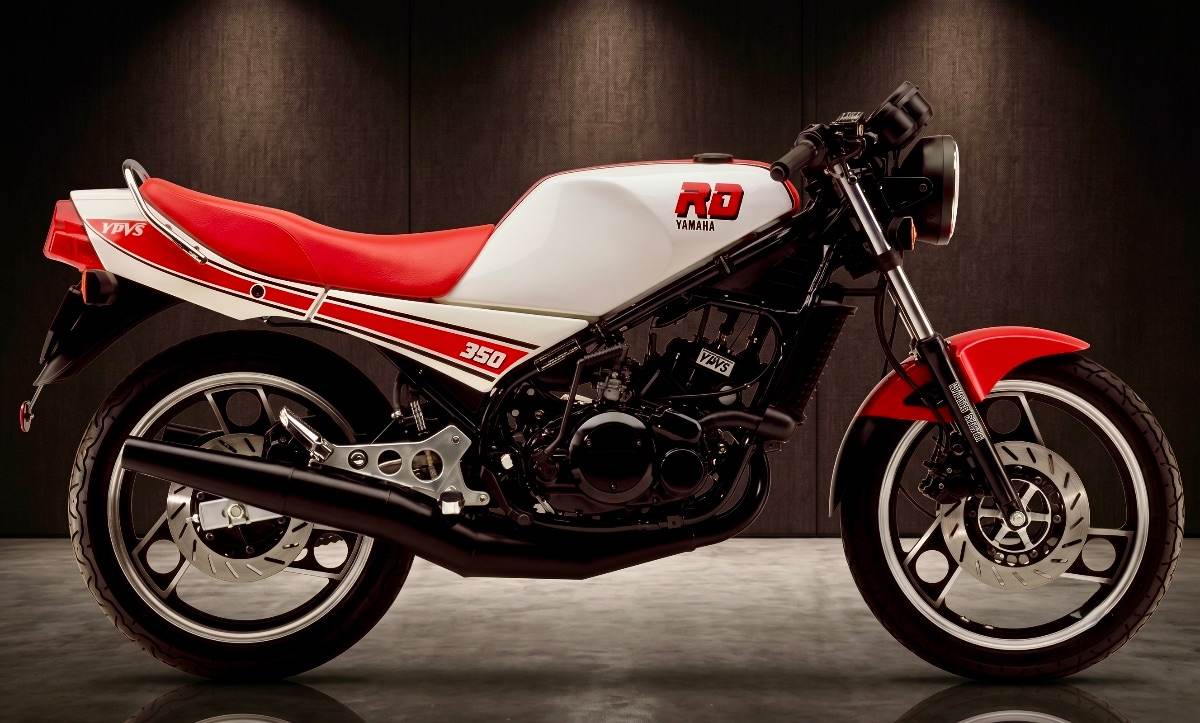
Yamaha RD 350 LC (1990) Maintenance Guide: Take Care of the 2-Stroke Queen
Discover how to keep the legendary 1990 Yamaha RD 350 LC in top shape. Everything about its YPVS system, carburetion, oil, and tricks to preserve this two-stroke gem.
The Yamaha RD 350 LC is much more than a motorcycle: it's a living legend on the asphalt. Affectionately nicknamed (and with a certain respect) the "Widowmaker," this two-stroke beast revolutionized the market in the 80s and early 90s. The 1990 model, with its characteristic chassis, improved brakes, and engine equipped with the YPVS system, still ignites passion today. However, owning a classic 2-stroke demands close attention to its mechanics.
If you've managed to get your hands on one, or if you're scouting the used motorcycle market for this coveted Japanese gem, you should know that its maintenance is completely different from that of a modern 4-stroke bike. In this comprehensive guide from Motocorner, we detail step-by-step how to pamper your RD 350 so it keeps roaring and emitting that unmistakable scent of burnt oil.
2-Stroke Heart: The Engine and the YPVS System
The soul of the Yamaha RD 350 LC (Liquid Cooled) is its 347cc twin-cylinder engine, capable of delivering over 60 HP with a ferocity and thrust no longer seen. But the magic of its power delivery lies in the YPVS (Yamaha Power Valve System), electronic exhaust valves that vary the timing diagram according to RPMs.
Cleaning and Adjusting the YPVS Valve
The great enemy of the YPVS is carbon buildup. Partially burned premix oil accumulates in the exhaust ports and ends up blocking the valve cylinder. It's recommended to dismantle and clean this system every 10,000 kilometers. A 2-stroke engine with stuck valves will lose all its high-RPM joy or be dead in the low-end.
You need to remove the valves, clean the carbon with a brass brush and a suitable solvent, and replace the O-rings. When reassembling, the adjustment of the servomotor cables is critical; when you turn on the bike (ignition on only), you'll hear the characteristic "squeak-squeak" of the servo's cleaning cycle. Ensure the alignment marks match perfectly.
Pistons, Rings, and Compression
Just like when reviewing the maintenance of legendary 2-stroke sportbikes, the key is to monitor internal wear. The lifespan of RD 350 pistons used on the street is typically around 20,000 to 25,000 kilometers before a replacement or reboring (always measuring tolerances) is necessary. It is imperative to know when to retire key parts to avoid a massive loss of compression that, in the worst case, could lead to a costly seizure.
Carburetion and Separate Lubrication (Autolube)
The 1990 RD 350 uses two Mikuni VM26SS carburetors. Their proper condition directly influences performance, fuel consumption, and reliability.
- Synchronization and Jets: At 10,000 km, dismantle the float bowls, meticulously clean the jets (especially the low-speed jet, which clogs quickly), and adjust the float level to 21 mm. The synchronization of both carburetors must be perfect and checked with a vacuum gauge to ensure both cylinders are pushing at the same time.
- The Oil Pump (Autolube): Many purists prefer to disable the pump and mix oil in the tank, but Yamaha's pump is extremely reliable if well-maintained. Align the pump spool mark with the body mark according to the manual, and bleed the system if you disconnect the hoses. Always use a high-performance synthetic 2T oil.
Chassis: Cooling, Brakes, and Suspension
Cooling System
Although it has LC in its name, it's a bike from another era. It's highly recommended to bleed and drain the coolant every 2 years. Use an antifreeze suitable for aluminum engines to prevent circuit corrosion and take care of the radiator and thermostat.
Braking: The Classic Weak Point
The bike's power constantly tests its braking system. The calipers on the 90s models tended to lose effectiveness due to the expansion of classic rubber brake lines. Replacing the original capillary lines with braided steel hoses is an almost mandatory upgrade today. Bleed the brake fluid (DOT 4) annually to maintain a firm feel. If you don't feel capable of rebuilding the calipers, you can always seek professional help; it's better to go to the best specialized shops and workshops and entrust this critical task to an expert mechanic.
Suspension and Fork
The single-cradle frame is robust, but the front end can feel a bit soft. Change the fork oil (SAE 10 or SAE 15 for a firmer feel) and replace the seals every 15,000 km. If the budget allows, preload spacers or progressive springs will work wonders in the corners.
Basic Maintenance Plan (Guideline Table)
Keeping meticulous records is the only guarantee of survival for the RD. We strongly recommend managing maintenance in My Garage so you don't miss any of the following checks:
- Every 1,000 km: Chain tensioning, pressure checks (very sensitive on classic tubular frames), and transmission oil level check.
- Every 5,000 km: Spark plug replacement (usually NGK BR8ES or BR9ES, gap set at 0.7 - 0.8 mm), air filter box cleaning, and clutch cable adjustment.
- Every 10,000 km: Thorough cleaning of the YPVS valve, carburetor cleaning, Autolube pump adjustment, and visual inspection of the intake reeds (reed block).
- Every 24,000 km: Fork oil change, cylinder compression measurement, steering bearing inspection, and coolant replacement.
If you want to fine-tune the budget for everything it will cost to revive and care for your machine for the whole year, the best option is to calculate the maintenance cost using our specific tool so nothing catches you off guard and you can invest in quality parts.
Preserving the 2-Stroke Charm
Last but not least is the aesthetics. Plastics from the 90s become brittle, and steel frames, if the paint is scratched, tend to rust quickly. To keep it looking pristine when taking it to rallies, apply detailing techniques for classic motorcycles focused on care without abrasive waxes that preserve the original stickers.
The Yamaha RD 350 LC is a piece of motorcycling history that those lucky enough to own must meticulously care for. By following this maintenance plan, proper carburetion, the right oil, and always respecting engine warm-up times before stretching the gears to the rev limiter, your "Widowmaker" will be ready to remind you why it still brings smiles and lifts the handlebars in second gear with pure, unadulterated throttle.
Este artículo y su imagen se han elaborado apoyándose en la inteligencia artificial y siendo revisados por el equipo de MotoCorner antes de publicarse. Las imágenes son ilustrativas y pueden no corresponder a modelos o piezas reales.