Ultimate Guide to Your Motorcycle's Transmission: Maintenance and When to Change It
Discover everything you need to know about your motorcycle's transmission: types, maintenance tips, signs of wear, and when it's the exact time to replace it to avoid breakdowns and accidents.
The transmission is, without a doubt, one of the most critical mechanical systems on your motorcycle. Its main function is to transfer the power generated by the engine directly to the rear wheel. Keeping this set of parts in perfect condition not only influences your bike's pure performance and fuel consumption but is also a determining factor for your safety on the road.
If you are considering checking or purchasing new spare parts for your motorcycle's transmission, here we explain how it works, what types exist, and when it's time to replace it.
Types of Transmission: Which Does Your Motorcycle Have?
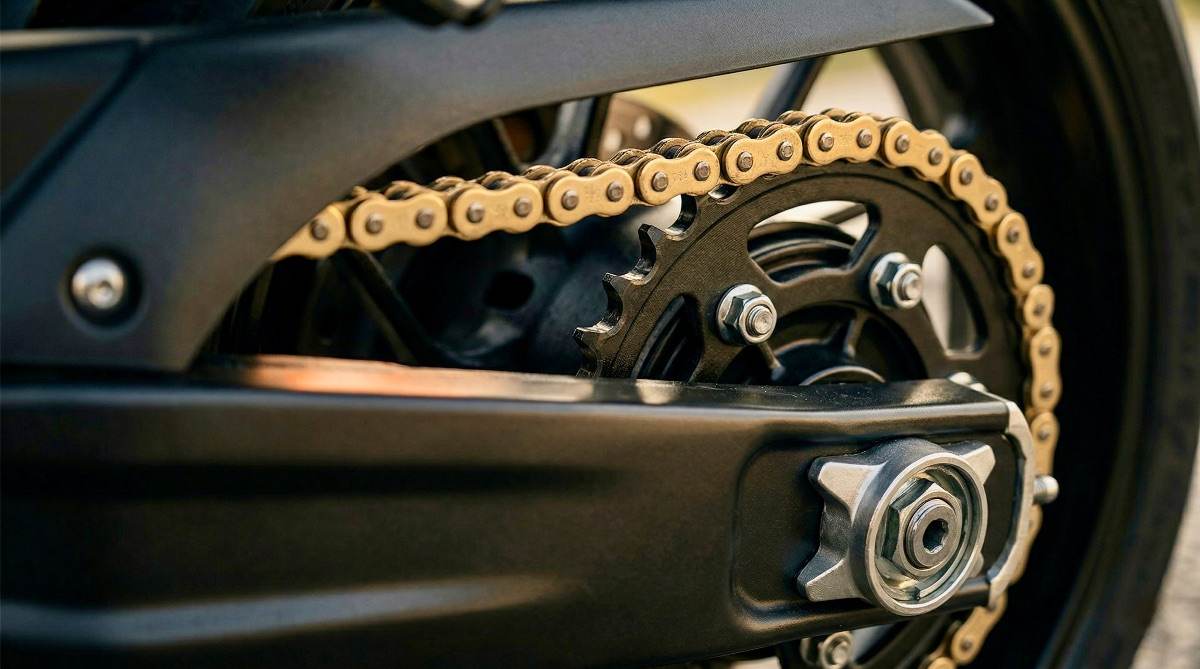
The most common transmission system consists of a drive kit that includes the sprocket, the chainring, and the connecting element. There are three main types on the market, each with its advantages and spare part needs:
- By chain: This is the most common system, especially on sport and naked bikes. It stands out for being very efficient, lightweight, and having a low cost for spare parts. However, it requires the most frequent maintenance (cleaning and lubrication).
- By belt: It is much quieter and cleaner than a chain, and requires less maintenance. Its weak point is that it is less resistant to extreme use.
- By shaft drive: It is an extremely durable system that requires practically no maintenance. On the other hand, the parts are heavier, and its repair or replacement is considerably more expensive.
Maintenance: The Key to Avoiding Premature Workshop Visits
If your motorcycle uses a chain drive, cleaning and lubrication are non-negotiable. Accumulated dirt and lack of grease drastically increase friction, accelerating metal wear. As a general rule, it is recommended to lubricate the chain every 500 to 1,000 kilometers, and always perform a cleaning and lubrication after riding in the rain or in very dirty environments.
Another fundamental point is to check the chain tension according to your motorcycle manufacturer's specifications. A chain that is too tight or too loose can prematurely damage the entire system. If you are looking for more detailed information on maintenance plans for specific models, you can consult our complete guide to the Yamaha MT-07.
When Should I Change the Transmission Kit?
A well-maintained transmission kit can last between 20,000 and 30,000 kilometers on average, although this figure is drastically reduced if the riding conditions are very demanding or maintenance is poor.
You should consider purchasing a new drive kit if you notice these warning signs:
- The teeth of the chainring or sprocket are sharp or worn.
- The chain links have become stiff or deformed.
- You hear excessive noise coming from the chain while riding.
- You constantly have to readjust the chain tension because it loosens very quickly.
A golden tip: When it's time for a change, it is highly recommended to replace the entire kit (chain, sprocket, and chainring) at once, to avoid damage and uneven wear.
Furthermore, when choosing your spare parts, keep in mind that current technological innovations, such as chains with sealed O-rings (O-Ring, X-Ring, or QX-Ring type from brands like EK Chain or D.I.D), reduce friction and can increase the transmission's lifespan by up to 50%. You can find motorcycle shops and workshops near you that offer these quality spare parts.
The Serious Consequences of Ignoring Wear
Extending the life of a transmission in poor condition is a very risky gamble. Mechanically, you will notice a loss of power, irregular acceleration, jerking while riding, and increased fuel consumption. These symptoms can lead to serious problems, so it is important to check your motorcycle's condition and prevent scams in motorcycle sales if you are thinking of buying a new one.
In terms of safety, the consequences can be fatal. A worn-out chain has a very high risk of breaking while in motion, which can cause the rear wheel to lock up completely, leading to repairs costing thousands of euros or, even worse, a serious accident. Check your motorcycle in time and always choose quality spare parts for your transmission. If you need to manage your maintenance and stay on top of your revisions, our My Garage tool can be of great help.
Este artículo y su imagen se han elaborado apoyándose en la inteligencia artificial y siendo revisados por el equipo de MotoCorner antes de publicarse. Las imágenes son ilustrativas y pueden no corresponder a modelos o piezas reales.